Tips For Truck Drivers to Stay Safe This Winter in New Hampshire
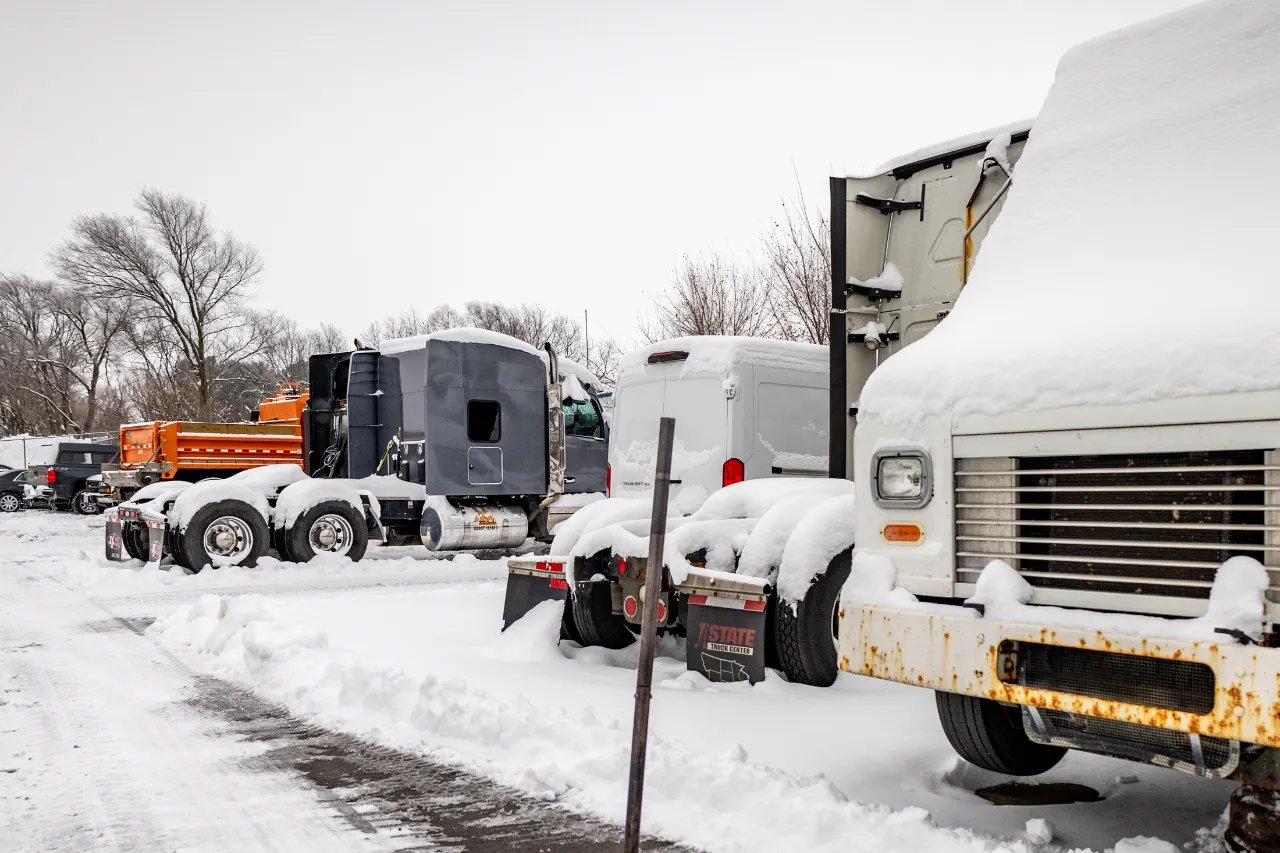
When the New Hampshire winter rolls in, what follows is black ice, whiteouts, freezing rain, and a whole heap of trouble for heavy-duty truck drivers. If you're hauling through I-93, Route 3, or maneuvering tight corners in small towns like Hudson, one thing is clear: winter driving is dangerous.
But with a few smart preparations and proactive habits, you can tackle winter roads with confidence and keep yourself, your rig, and everyone else on the road safe.
Prepare Your Truck Before the Storm Hits
Inspect your air brake system
Moisture in your brake’s air lines can freeze and cause failure. When stopping distances can be 10x longer in icy conditions, these fine margins can be the difference between safely stopping and disaster on the road. Be sure your air dryer is functioning properly, and your tanks are drained regularly.
Check your coolant and heater systems
Your coolant system helps to maintain cabin warmth and defrost functionality. Ensure the antifreeze-to-water ratio is appropriate, especially in sub-zero temps. This will also keep you warm in the event of a winter breakdown while you wait for roadside assistance.
Test your battery and alternator
Cold cranks take more juice. A weak battery or failing alternator can leave you stranded in a blizzard. Your truck’s battery can drop by up to 60% through cold temperatures alone.
Top off and treat your diesel fuel
In freezing temps, untreated diesel can gel, clogging filters and injectors. Use an anti-gel additive and keep your tank topped up to reduce condensation inside.
Inspect tires and chains
Ensure your tire tread depth is within legal limits and suited for ice and snow. Carry chains, and know how—and when—to use them.
Master Winter Driving Techniques
Take it slow, even if you're late
Speed and snow are a deadly combo. Reduce speed on slippery roads, and give yourself extra stopping time.
Increase the following distance
Triple your normal space. Your air brake system already has a slight delay; icy roads make it worse.
Know how to handle a skid
If your trailer starts to slide, stay calm. Ease off the throttle, steer gently into the skid, and avoid slamming the brakes.
Use engine braking cautiously
Jake brakes are great in dry conditions but can cause wheel lockup on slick roads. Use them sparingly or disable them when descending icy grades.
Avoid sudden lane changes
Changing lanes in snow-packed ruts or slushy roads can cause your steer tires to catch. Always signal early and ease over gradually.
Don’t Ignore Your Driveline and Differential Setup
If your truck is equipped with 4WD or 6WD options, winter is the time to use them, especially when navigating unplowed truck yards or icy docks.
Got a locking differential? Engage it before traction becomes an issue, not after. Waiting too long can leave you spinning out in a loading zone with no recovery plan.
And remember: low-range gearing isn’t just for off-roading. It's incredibly useful when maneuvering through icy industrial parks or tight snowy corners in town.
Warm-Up Procedures Matter
Don’t just jump in, fire it up, and roll out. Let your engine idle for a few minutes. This:
- Warms your engine oil and coolant, reducing wear.
- Ensures your DEF system heats up properly to avoid sensor faults.
- Allows your air tanks to pressurize fully, giving you full brake performance.
Stay Stocked and Ready for Emergencies
Here’s what every trucker should have in the cab:
- Extra gloves, boots, and a thermal blanket
- Flares or reflective triangles
- Extra DEF and fuel additive
- Basic tool kit and jumper cables
- Flashlight with fresh batteries
- A few high-calorie snacks and water bottles
Don’t forget a bag of kitty litter or sand. These are perfect for traction under your drive tires.
Prioritize Preventive Maintenance
Even the best winter driving habits can’t make up for a truck that’s not in shape.
Stay ahead of the curve with:
- Regular brake system inspections (especially slack adjusters and air tanks)
- Oil and fluid checks (especially DEF and coolant levels)
- Tire pressure monitoring (cold air decreases PSI)
- Checking heater cores and defrosters
A proactive approach now can prevent major issues like frozen fuel lines, low oil pressure, or brake lock-up later.
Watch the Weather (And Your Limits)
Use tools like NOAA updates, CB radio chatter, and trucking apps to keep tabs on road conditions. If visibility drops or ice builds fast, don’t tough it out. Pull over safely and wait it out.
We cannot stress this enough: No load is worth your life.
Conclusion: Winter Roads Demand Respect
Winter in our home state of New Hampshire isn’t just about battling snow; it's about staying sharp, staying proactive, and knowing your rig like the back of your hand. Whether you’re hauling across the White Mountains or navigating a backroad in Hudson, stay cautious, stay prepared, and stay alive.
For professional heavy-duty services that help keep your truck and your cargo safe in the New Hampshire winter, get in touch with our team at Redmond Fleet. From quick fixes to major overhauls, whatever you need, we’ve got you covered.
.webp)
.jpg)
.jpg)