How Regular Repairs Help Extend RV Lifespan in New Hampshire
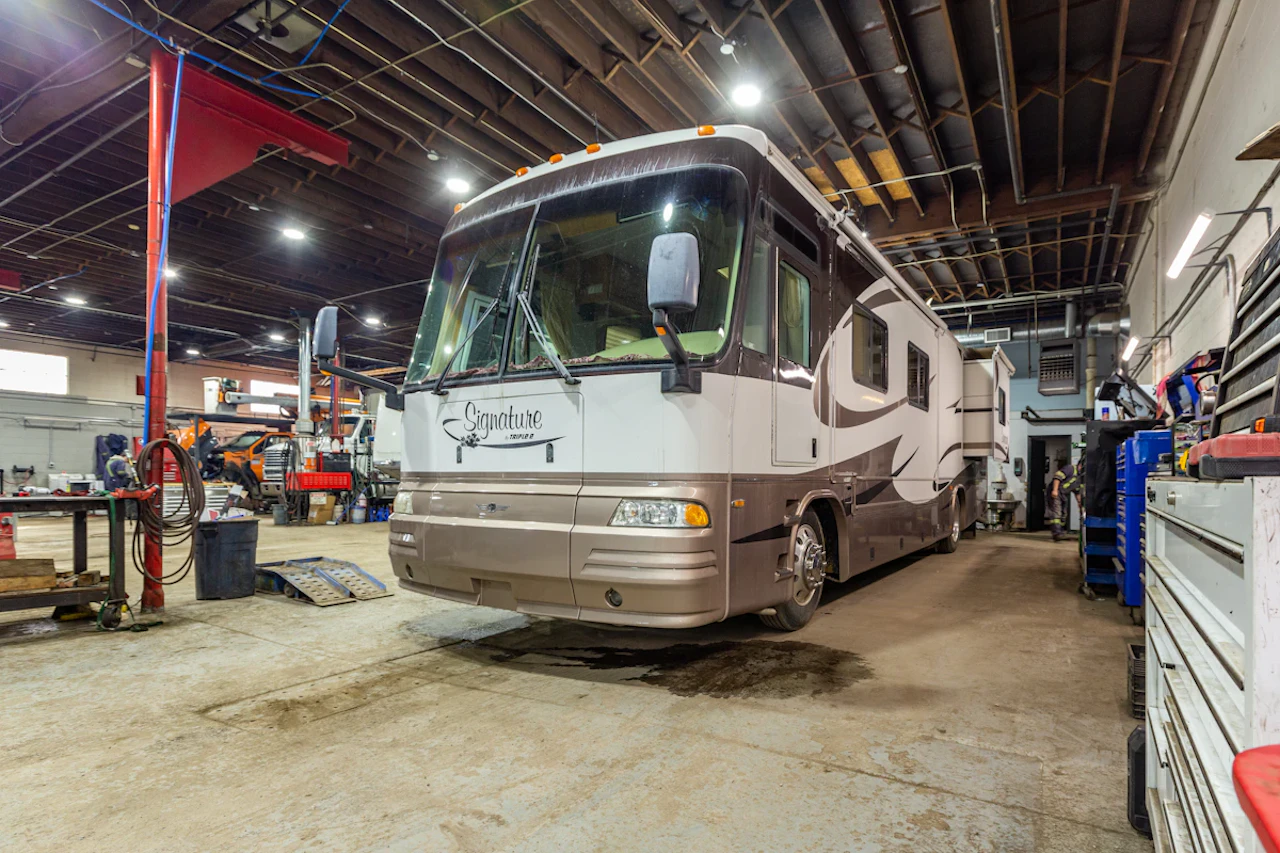
A small coolant leak or worn suspension component rarely stays small forever. Put another New Hampshire season behind it, and a manageable problem can become an expensive repair that keeps your RV parked when you planned to travel.
Regular RV repairs help you address wear before one failing component affects another. For New Hampshire RV owners, that matters because changing seasons, winter road treatments, storage, and long-distance travel can place very different demands on an RV throughout the year.
Regular RV Maintenance Helps Your RV Last Longer
An RV combines vehicle systems with equipment designed to support extended travel and living. On a motorhome, you're maintaining the chassis, engine, drivetrain, brakes, suspension, electrical equipment, cooling system, tires, and other components.
That creates plenty of opportunities for wear to develop.
Regular RV maintenance gives technicians a chance to find leaks, deteriorated components, unusual tire wear, loose connections, fluid problems, and other concerns before they spread.
Common areas worth monitoring include:
- Engine oil and filters
- Engine coolant
- Transmission fluid or gear oil, as applicable
- Brakes
- Steering and suspension
- Tires and wheel ends
- Batteries and charging system
- Belts and hoses
- Generator
- HVAC equipment
Your RV's manufacturer remains the best source for exact maintenance intervals. Mileage matters, but time, storage conditions, engine hours, chassis specifications, and usage can also influence service requirements.
The Importance of Regular RV Brake Inspections
RVs carry significant weight, making reliable brakes essential for safe stopping. Depending on the chassis, your RV may use hydraulic or compressed-air brakes.
Regular inspections help identify worn brake components, damaged lines or hoses, and other potential issues. Air-brake inspections may also include brake chambers, slack adjusters, S-cams, drums, and air lines.
Schedule an inspection if you notice pulling, unusual noises, warning lights, air-pressure issues, or changes in braking performance.
Extend Your RV’s Lifespan With Suspension Repairs
Your RV’s suspension supports its weight and absorbs impacts from potholes, uneven roads, and rough campground entrances. Depending on the chassis, it may use air suspension, leaf springs, shocks, or other components.
Worn suspension parts can reduce ride quality, affect handling, cause uneven tire wear, and place additional stress on related components.
Redmond Service Center services RV suspension systems and is New England’s exclusive dealer for LiquidSpring smart suspension systems. Regular inspections are especially valuable before long trips or whenever you notice changes in handling.
How Does New Hampshire Weather Affect RV Repairs?
New Hampshire gives RVs a wide range of operating conditions. Summer travel can mean long highway drives, while winter introduces freezing temperatures, snow, ice, moisture, and road-treatment chemicals.
NHDOT uses salt as its primary material on most state-maintained roads. The department also uses salt brine, calcium chloride, magnesium chloride, sand, and other treatments depending on conditions.
Those materials help keep roads usable, but exposure to moisture and chlorides makes underbody inspections particularly worthwhile for RVs driven during winter.
Check areas such as:
- Frame and chassis surfaces
- Suspension mounting points
- Brake components
- Electrical connections
- Fluid and air lines
- Fasteners and brackets
- Exhaust components
Cleaning the undercarriage after winter exposure can also help remove accumulated road grime and salt. If corrosion has already started, an inspection can determine whether it is cosmetic or affecting a component that needs attention.
How Does Preventive Maintenance Protect an RV Engine?
Your motorhome's engine faces significant demands, especially in a large diesel-powered RV. Heat management and proper lubrication become critical during long highway trips or sustained climbs.
Engine oil lubricates moving components and helps manage heat. Coolant carries heat away from the engine and transfers it through the cooling system.
During motorhome maintenance, inspect oil and coolant according to the manufacturer's procedures. Pay attention to leaks and abnormal changes in temperature or oil-pressure readings.
Cooling-system maintenance may involve components such as the:
- Radiator
- Water pump
- Coolant reservoir
- Coolant hoses
- Thermostat
- Cooling fan
- Fan clutch on applicable vehicles
Why Should You Repair Small RV Problems Early?
Mechanical problems tend to create consequences elsewhere. A leaking cooling-system component, for example, can eventually reduce coolant enough to cause overheating. Regular RV repair in New Hampshire gives you an opportunity to deal with the original fault instead of waiting for secondary damage.
Watch for changes such as new vibrations, warning lights, unusual smells, fluid spots, harder steering, abnormal tire wear, or changes in braking. Your RV often provides clues before a major failure occurs.
Does RV Maintenance Matter If You Drive Only a Few Times Per Year?
Yes. Low mileage doesn't mean every component stops ageing. Rubber components can deteriorate. Batteries discharge. Moisture can create problems. Tires age even when tread remains. That makes a calendar-based RV maintenance schedule important for seasonal owners.
What Should You Inspect After Winter RV Storage?
Spring startup should involve more than reconnecting the batteries and turning the key.
Months of storage can expose problems that weren't obvious when you parked the RV. Batteries may discharge, tires can lose pressure, seals can deteriorate, and rodents or moisture can damage wiring and other components.
A spring RV maintenance inspection should include:
- Battery condition and charging
- Tire pressure and condition
- Engine oil and fluids
- Coolant level and visible leaks
- Belts and hoses
- Brake operation
- Steering and suspension
- Exterior lighting
- Generator operation
- Warning lights and diagnostic faults
Take a careful look underneath the RV as well. Finding a leak in your driveway is much easier than discovering it after you've packed for a trip.
What Should You Check Before an RV Trip Through New Hampshire?
New Hampshire gives RV owners plenty of reasons to travel. The state's tourism office lists campgrounds throughout the White Mountains, Lakes Region, Merrimack Valley, Seacoast, Monadnock region, and other parts of the state.
Some routes also place meaningful demands on the chassis. New Hampshire's White Mountain routes include mountainous roads around Franconia Notch, Crawford Notch, Pinkham Notch, and the Kancamagus Highway.
Before a long trip, check:
- Tires and pressure
- Brakes
- Engine oil
- Coolant
- Steering
- Suspension
- Exterior lights
- Generator
- Batteries
- Visible leaks
A pre-trip RV inspection becomes especially valuable if the vehicle has been stored for months or hasn't travelled significant mileage recently.
How Can New England RV Travel Change Maintenance Needs?
An RV based in New Hampshire can easily spend its season crossing state lines. Trips through Maine, Massachusetts, Vermont, and the rest of New England expose the vehicle to different roads, elevations, traffic conditions, and trip lengths.
A motorhome travelling repeatedly between New Hampshire and surrounding states may accumulate substantial highway mileage even if each individual vacation feels short.
Inspect the RV based on how you actually use it. Long-distance travel, mountain routes, winter operation, heavy loading, and extended storage can all influence which systems need closer attention.
Schedule RV Repairs Before Trouble Grows
Regular RV repairs can help extend your motorhome's useful life by addressing leaks, wear, fluid problems, brake concerns, suspension issues, and other defects before they cause additional damage. New Hampshire's seasonal conditions make consistent inspections especially valuable.
If your RV needs maintenance or repairs, contact Redmond Service Center. The shop specializes in RV and motorhome repair and provides Spartan RV Chassis, Cummins-Onan generator, suspension, preventive maintenance, and other vehicle services.
For more ways to protect your RV before your next New England trip, read our guide to whether you should opt for DPF cleaning vs replacement.
.jpg)
.jpg)
.webp)