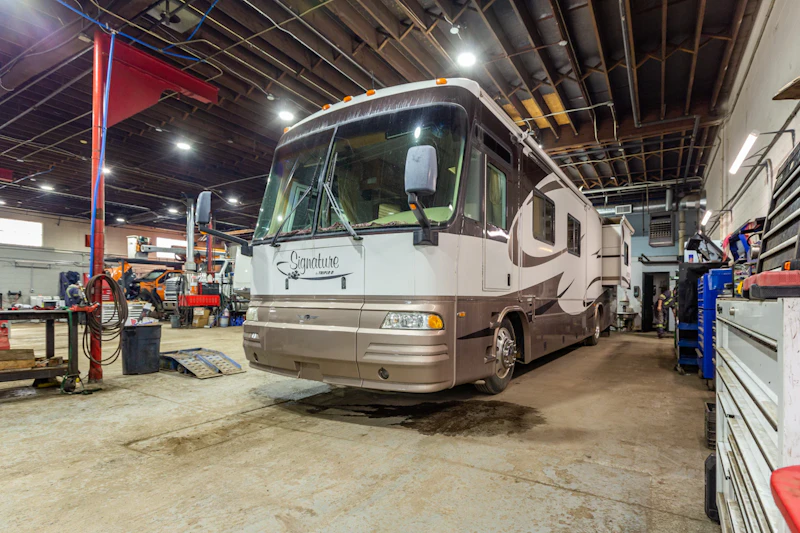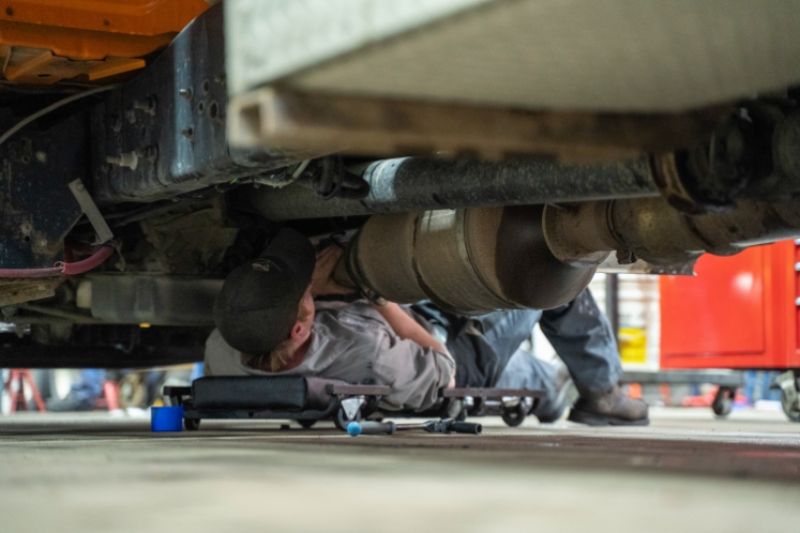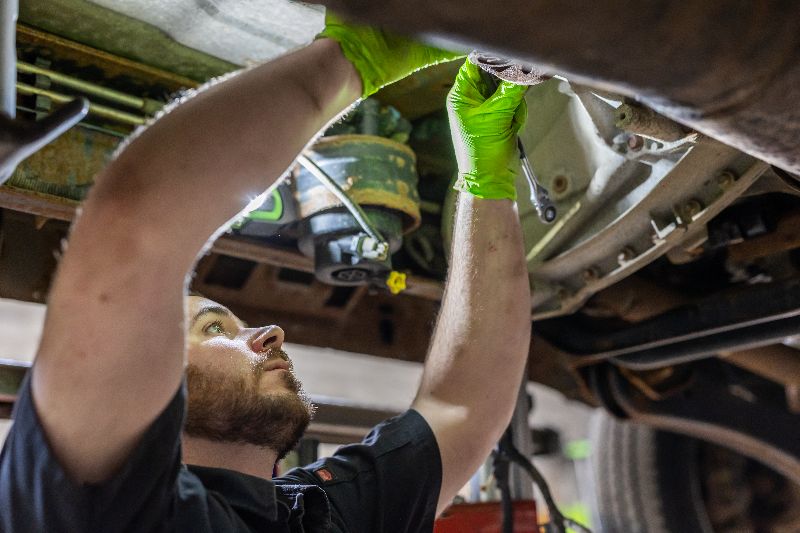
Spartan RV Chassis Maintenance: What Motorhome Owners Should Service Before a Long Trip
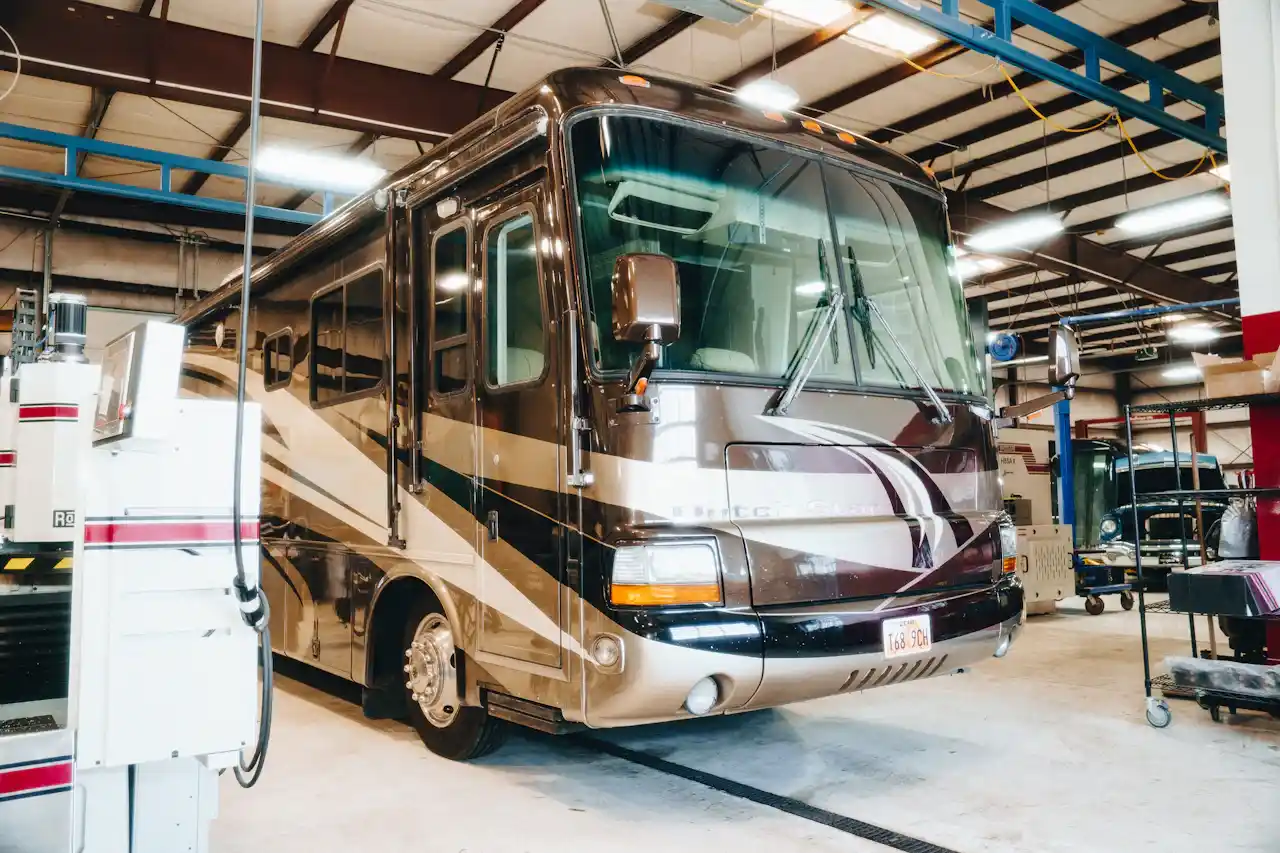
A motorhome can feel perfectly fine in the driveway and reveal a problem only after hours of highway driving. Long grades, summer heat, loaded storage bays, and repeated braking put far more demand on the chassis than a short local outing.
A thorough Spartan RV chassis service before departure can help uncover wear, leaks, and maintenance needs while you still have time to address them.
What Should Spartan RV Chassis Maintenance Include?
The chassis carries the motorhome, supports the drivetrain, and connects systems responsible for steering, braking, suspension, cooling, and road handling. That makes chassis maintenance a central part of preparing a diesel motorhome for a long trip.
Your exact service requirements depend on the chassis model, engine, mileage, age, and maintenance history. Always follow the applicable manufacturer schedule rather than relying on one generic interval for every coach.
A pre-trip inspection commonly includes:
- Engine oil and filters
- Coolant condition and level
- Transmission fluid checks
- Steering components
- Brake system inspection
- Suspension components
- Tires and wheel ends
- Batteries and charging system
- Belts and hoses
- Visible leaks underneath the coach
Owners can also review the manufacturer's Spartan chassis resources when checking specifications or support information for their particular chassis.
Why Should You Check Fluids Before a Long RV Trip?
Fluids handle lubrication, cooling, hydraulic operation, and heat transfer throughout the chassis. Low, contaminated, or deteriorated fluid can turn a manageable service item into a roadside problem.
Check engine oil, coolant, transmission fluid where applicable, power steering fluid, and other serviceable fluids specified for your chassis. Look beyond the fluid level and inspect around reservoirs, hoses, fittings, and components for evidence of leakage.
Fresh fluid does little good if a hose or seal is slowly losing it. Finding wet areas before a trip gives you time to determine whether the issue needs a simple repair or further diagnosis.
How Important Is the RV Cooling System?
A heavy motorhome asks a lot from its diesel cooling system, particularly on long highway grades or during warm New England summers. The system must transfer engine heat effectively as load and operating temperature change.
Inspect coolant condition, hoses, the radiator area, belts, water pump concerns, and visible signs of leakage. Cooling fans and related controls should also operate correctly.
Persistent temperature changes deserve attention before departure. A coach that begins running hotter than usual may have a developing cooling problem even if it has not overheated yet.
What Should Be Inspected on the Brakes?
A motorhome's weight makes brake condition especially important before extended travel. Descents through Vermont, New Hampshire, western Massachusetts, or Maine can place sustained demand on the braking system.
Your RV brake inspection should cover the applicable braking components, adjustment, air system condition on air-brake-equipped coaches, and visible wear or damage. Any warning lights, changes in braking response, or unusual noises warrant diagnosis.
Do not wait for braking performance to become noticeably poor. Catching wear during scheduled maintenance gives you more control over repair timing and helps avoid discovering a problem far from home.
Does the Air Suspension Need Maintenance?
Many diesel motorhomes use air suspension to support vehicle weight and provide controlled ride height. Air leaks or worn suspension components can affect handling, ride quality, and how the coach sits.
Inspect air springs, lines, fittings, shocks, and related components for damage or deterioration where applicable. A coach that settles unusually fast after parking or sits unevenly may need further inspection.
Shock absorbers matter as well. They help control suspension movement after bumps, reducing excessive bouncing and improving vehicle stability.
What Steering Problems Should You Fix Before Traveling?
Changes in steering should never become part of what you simply "get used to." Excessive play, wandering, unusual vibration, or difficulty maintaining a straight path can point to wear elsewhere in the chassis.
A motorhome steering inspection may include linkage, steering gear components, power steering operation, tires, and related suspension parts. Alignment and tire condition may also influence how the coach tracks.
Addressing these concerns before a multi-state trip can make long driving days more manageable and help prevent uneven tire wear from continuing mile after mile.
Why Do Tires and Wheel Ends Need Close Attention?
Motorhome tires may age before their tread wears out, especially on coaches that spend long periods parked. Check for cracking, damage, abnormal wear, correct inflation, and any condition that calls for professional evaluation.
Your RV tire inspection should account for the tire manufacturer's requirements and the actual load carried by the coach. Proper inflation matters for handling, heat management, and tire wear.
Wheel ends also deserve attention. Bearings rely on proper lubrication to control friction, and developing wheel-end problems can create heat, noise, and serious component damage.
During a long trip, periodically pay attention to new noises, vibration, or unusual heat around a wheel position. Changes from normal operation deserve investigation.
Should Batteries and Electrical Systems Be Checked?
A chassis battery can seem adequate during short starts and still reveal weakness when travel demands increase. Corroded connections, poor charging performance, or aging batteries can create starting and electrical problems away from home.
Inspect chassis batteries, terminals, cable condition, and charging performance as appropriate. The alternator must supply electrical power while the engine runs and maintain battery charge.
If the engine has recently started more slowly or electrical behavior has changed, investigate before departure. A weak starting system rarely becomes more convenient once the motorhome is parked hundreds of miles away.
How Can Preventive Maintenance Reduce Trip Problems?
The best time to find a worn belt, small coolant leak, loose connection, or deteriorating hose is before your travel date. Scheduled RV preventive maintenance gives technicians a chance to identify developing issues while repairs can still be planned.
A practical RV maintenance checklist can help owners organize pre-trip inspections beyond the chassis as well. Appliances, seals, safety equipment, plumbing, and other coach systems also need attention before extended travel.
Service records make this process easier. Mileage, dates, previous repairs, and recurring concerns give technicians useful context when deciding what deserves closer inspection.
How Early Should You Schedule Chassis Service?
Avoid scheduling major motorhome chassis maintenance the afternoon before departure. If an inspection uncovers worn parts or a leak, you need time for proper repair and verification.
Booking service ahead is especially helpful during peak travel months in Maine, Massachusetts, Vermont, and New Hampshire. RV service demand can increase as owners prepare for summer trips, fall travel, and seasonal storage.
After maintenance, a short local drive can also reveal anything that feels different before you commit to a long route. Pay attention to steering, braking, gauges, warning lights, and unusual sounds.
Schedule Spartan Chassis Maintenance Early
Proper Spartan RV chassis maintenance should cover the systems that keep your motorhome moving, stopping, steering, and managing heat. Fluids, brakes, suspension, tires, wheel ends, batteries, belts, hoses, and cooling components all deserve attention before a long trip.
Redmond Service Center helps motorhome owners prepare their chassis for the road. Keeping up with scheduled service can also support a longer service life, so see how regular RV repairs can help protect your motorhome over time.